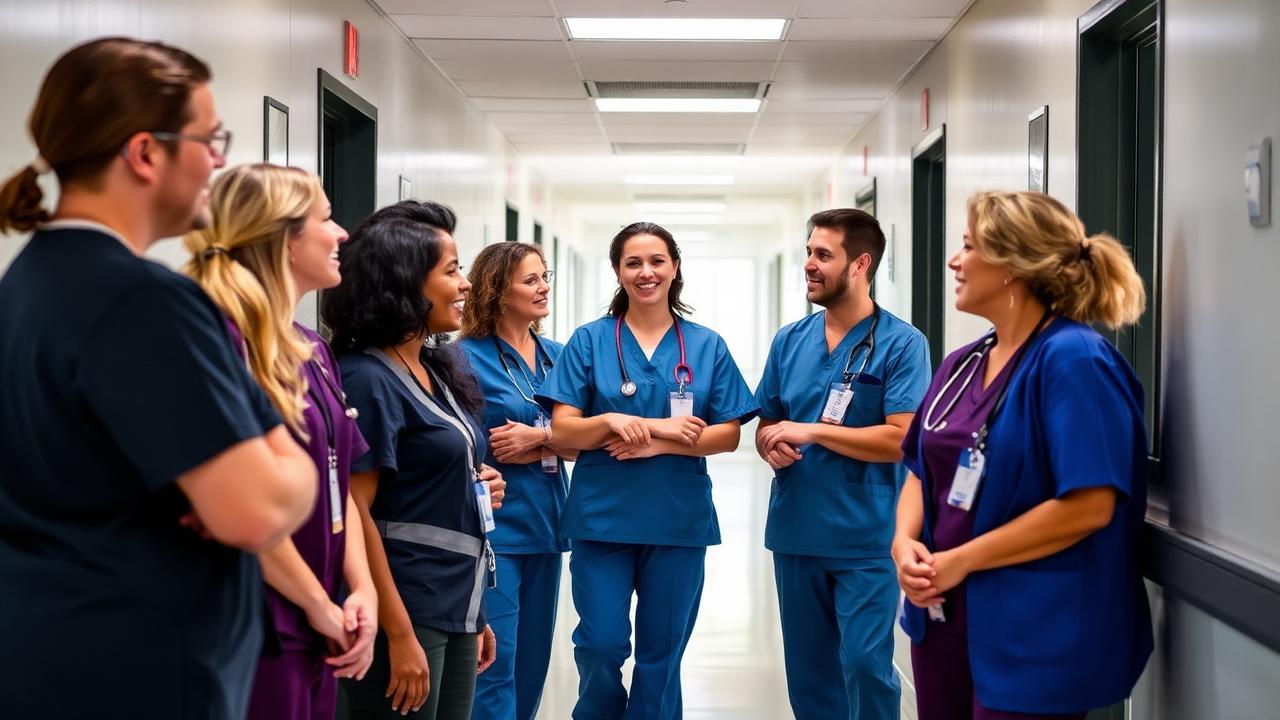
If you are trying to break into the medical field, the barrier to entry often feels higher than it actually is. You might think every role requires a four-year degree or a mountain of student debt, but the healthcare industry is currently facing a massive labor shortage. Facilities are increasingly willing to hire individuals with zero clinical experience and provide the necessary training on the job or via short-term certification programs.
Transitioning into healthcare isn't just about a paycheck; it’s about finding a career with built-in stability. Whether you are a career changer or a recent graduate, there are dozens of entry level healthcare jobs that allow you to start earning in a matter of weeks. The key is knowing which roles offer the best balance of pay, accessibility, and long-term growth potential.
In this guide, we break down twelve specific roles where you can start with little to no prior experience. We will look at what the day-to-day looks like, what you can expect to earn, and how these positions serve as stepping stones to higher-paying nursing or administrative careers.
1. Home Health Aide (HHA)
Home health aides are the backbone of the aging-in-place movement. In this role, you visit patients in their private residences to assist with daily living activities like bathing, dressing, and light meal preparation. Unlike hospital roles, this position offers a one-on-one environment that many find less stressful than a chaotic ward.
Many agencies offer free training to help you get your HHA certificate, which usually takes about 75 hours of instruction. If you enjoy building deep relationships with patients, you can find a wide variety of home care jobs available in almost every zip code.
2. Certified Nursing Assistant (CNA)
Becoming a CNA is perhaps the fastest way to get "hands-on" clinical experience. You will work under the supervision of a Registered Nurse (RN) or Licensed Practical Nurse (LPN), taking vital signs, documenting patient intake, and assisting with mobility.
Training usually lasts between 4 and 12 weeks. While the work is physically demanding, it is the gold standard for anyone planning to go to nursing school later. It provides a foundational understanding of patient care that classrooms simply cannot replicate. You can often find these roles by browsing nursing home jobs where the demand for CNAs is highest.
3. Patient Care Technician (PCT)
A Patient Care Technician is essentially a CNA with an expanded scope of practice. In addition to basic care, PCTs are often trained to perform EKGs, basic wound care, and phlebotomy (drawing blood).
Because of the extra skills, PCTs usually work in hospitals rather than long-term care facilities. If you already have a CNA license, you can often bridge to a PCT role with a few extra weeks of specialized training. This is an excellent choice for those who want a faster-paced environment like the Emergency Room or ICU.
4. Medical Scribe
If you prefer the data and documentation side of medicine over physical labor, medical scribing is an ideal entry point. Scribes follow physicians during patient encounters and record everything that happens in the Electronic Health Record (EHR).
You don’t need a license for this, but you do need to be a fast typist and have a basic grasp of medical terminology. Many pre-med students use this role to gain "shadowing" hours while getting paid. It is also a great way to learn how doctors think and diagnose.
5. Medical Administrative Assistant
Not every healthcare job involves touching a patient. Medical Administrative Assistants (sometimes called Medical Secretaries) handle the front-office operations. This includes scheduling appointments, verifying insurance coverage, and managing patient files.
Most employers look for a high school diploma and good communication skills. If you are organized and tech-savvy, this is a stable path that can eventually lead to roles in medical coding, billing, or office management.
6. Phlebotomy Technician
Phlebotomists specialize in drawing blood for tests, transfusions, or donations. It is a highly technical role that requires precision and a calm demeanor, as many patients are nervous about needles.
Training programs for phlebotomy are short, typically lasting 8 to 16 weeks. Once certified, you can work in hospitals, diagnostic labs, or blood donation centers. It is a focused skill set that pays well for the relatively short training time required.
Comparison of Entry Level Healthcare Roles
| Role | Typical Training | Starting Pay Range | Primary Work Setting |
|---|---|---|---|
| Home Health Aide | 2–4 Weeks | $14 – $19 / hr | Private Homes |
| CNA | 4–12 Weeks | $16 – $22 / hr | Nursing Homes / Hospitals |
| Medical Scribe | On-the-job | $15 – $20 / hr | Clinics / ERs |
| Phlebotomist | 8–16 Weeks | $17 – $23 / hr | Labs / Hospitals |
| Patient Care Tech | 8–12 Weeks | $18 – $25 / hr | Hospitals |
| Caregiver | None to 1 Week | $13 – $18 / hr | Residential Care |
7. Caregiver
While "Caregiver" and "Home Health Aide" are often used interchangeably, a general caregiver role often requires even less formal training. In many states, you can start as a personal care aide without a state license. You will assist with non-medical tasks like companionship, grocery shopping, and light housekeeping. This is a common entry point for those looking at caregiver jobs to see if the industry is a good fit for them before investing in certifications.
8. Pharmacy Technician
Pharmacy techs work under the supervision of a pharmacist to dispense medication to customers or health professionals. You will spend your time counting pills, labeling bottles, and handling insurance claims.
Many retail pharmacies like CVS or Walgreens offer on-the-job training programs where they pay for your certification exam while you work. This makes it one of the few healthcare roles where you can get paid to learn from day one.
9. Medical Billing and Coding Specialist
This is a back-office role that is critical for the financial health of any medical practice. Coders translate medical procedures into standardized codes for insurance billing.
This role is particularly attractive because it is one of the most common remote nursing jobs or administrative roles. While you can get started with a certificate program (usually 6-9 months), the ability to work from home makes it a highly sought-after position.
10. Dietary Aide
Dietary aides work in hospitals and senior living facilities to ensure patients receive meals that meet their specific nutritional and medical requirements (such as low-sodium or liquid diets).
You don’t need medical training for this, but you do need an eye for detail and an understanding of food safety. It’s a great way to get your foot in the door of a large hospital system, which often offers tuition reimbursement if you decide to go back to school for nursing or dietetics.
11. Central Sterile Processing Technician
If you like the idea of working in a hospital but don't want to interact with patients, this is the job for you. Sterile processing techs are responsible for cleaning and sterilizing all the medical instruments used in surgeries.
It is a behind-the-scenes role that is absolutely vital to patient safety. Certification usually takes a few months, and the pay is often higher than other entry-level roles because of the technical nature of the sterilization equipment.
12. Patient Transport
Patient transporters move patients between different areas of the hospital—such as moving a patient from their room to the X-ray department or the operating room.
The only real requirement for this job is a high school diploma and the physical ability to push wheelchairs and stretchers. It is an excellent way to learn the layout of a hospital and meet staff in various departments, making it easier to transfer into a clinical role later.
Where Do These Roles Lead?
Entry-level roles are rarely the final destination. In healthcare, these positions function as "ladders." A CNA often becomes an LPN or RN. A Medical Scribe might become a Physician Assistant. A Pharmacy Tech might decide to pursue a Doctor of Pharmacy degree.
The advantage of starting now is that many employers will pay for your continued education. By starting in an entry-level position, you gain the experience that makes you a preferred candidate for new grad nursing jobs later on, because you already understand how the healthcare system operates.
Frequently asked questions
Do I need a college degree for entry level healthcare jobs?
Most entry-level roles, such as CNAs, HHAs, and Phlebotomists, only require a high school diploma or GED followed by a short-term certificate. Some roles, like patient transport or dietary aide, may not require any post-secondary education at all.
Can I work in healthcare without touching patients?
Yes, there are many non-clinical roles such as medical billing, coding, medical scribing, and administrative assistant positions. These roles focus on the documentation, financial, and organizational side of medicine rather than direct physical care.
How long does it take to get certified for a medical job?
It varies by role, but many certifications can be completed in 4 to 12 weeks. Some roles, like pharmacy technicians or home health aides, often provide on-the-job training that allows you to start working immediately while you finish your requirements.
Are there remote entry-level healthcare jobs?
Medical billing, coding, and some customer service roles for telehealth companies are available as remote options. However, most direct patient care roles require you to be physically present at a facility or a patient's home.
Get Hired Faster With RemoNurse
Finding the right entry-level role can be overwhelming when you're staring at hundreds of job boards. RemoNurse simplifies this process for you. We don't just show you listings; we actively find roles that match your goals, handle the applications on your behalf, and send a personal endorsement to employers to help you stand out.
If you’re ready to skip the repetitive forms and get straight to the interview, check out our pricing to see how we can help you land your next role.