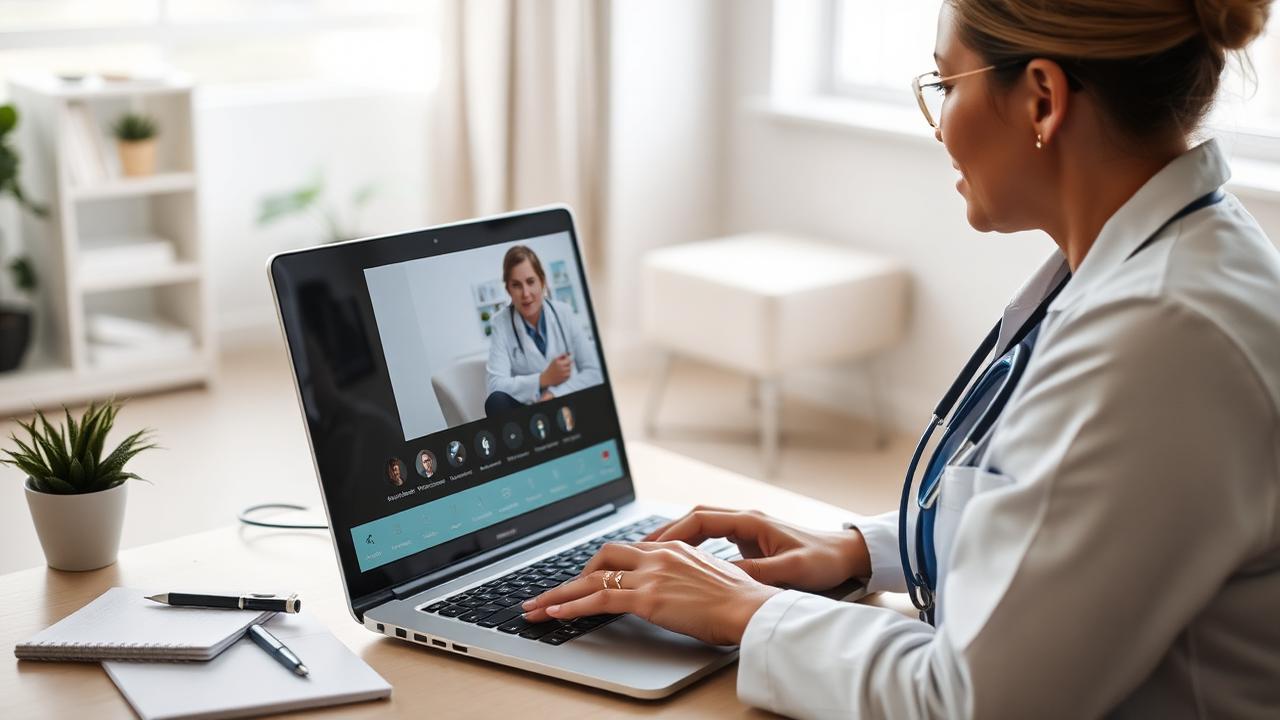
You have spent years mastering patient care, memorizing protocols, and perhaps even navigating the complex paperwork of visa sponsorship. Now, you are one Zoom or Teams call away from a life-changing role in a new country or a flexible remote position. It feels high-stakes because it is.
When you are an internationally educated healthcare worker, the video interview is more than a conversation; it is a demonstration of your communication skills, your technical adaptability, and your professional presence. Employers in the US, UK, and Middle East are not just looking at your CV; they are looking for someone who can integrate into their team from thousands of miles away.
I have spoken with hundreds of candidates who felt their clinical skills were top-tier but feared the 'digital barrier.' This guide breaks down exactly how to manage your environment, your technology, and your delivery so the recruiters at RemoNurse can confidently endorse you to top global employers.
The Technical Foundation: More Than Just 'Logging In'
You might be tempted to treat a video interview like a casual WhatsApp call with family. Do not make this mistake. Professionalism starts with your hardware and connection. If your video freezes while you are explaining a critical patient safety protocol, the flow of the interview is broken, and the recruiter’s confidence may dip.
First, prioritize a stable internet connection. If you are in a region where power outages or data throttling are common, have a backup mobile hotspot ready. If possible, use a laptop or desktop computer rather than a smartphone. A stable screen allows you to keep your hands free for natural gesturing and prevents the 'shaky cam' effect that happens when you hold a phone.
Second, test your audio. Built-in laptop microphones often pick up background noise like fans, traffic, or family members. Using a simple pair of wired earbuds with a built-in mic can significantly improve clarity. Avoid bulky gaming headsets, as they can look distracting in a clinical interview setting.
Lighting and Background: Your Digital Clinic
Your background tells a story about your organization and attention to detail. You do not need a professional studio, but you do need a clean, uncluttered space. A plain white or neutral wall is best. If you are in a shared living space, consider using a high-quality 'blur' background feature, but test it beforehand to ensure it doesn't cut off your ears or hair in a distracting way.
Lighting is the most underrated part of the setup. Never sit with a window behind you; you will appear as a dark shadow. Instead, face the window so the natural light hits your face. If you are interviewing at night to match a different time zone, place a desk lamp behind your computer, slightly to the side, to illuminate your features clearly.
Comparison of Interview Platforms
Most international employers use one of three main platforms. Knowing the quirks of each can save you from a last-minute panic.
| Platform | Common Usage | Key Feature to Check | Potential Pitfall |
|---|---|---|---|
| Zoom | US/Global Remote | 'Test Speaker/Mic' button | Requires a small app download |
| Microsoft Teams | UK/NHS & Large Corps | 'Background Blur' options | Can be slow on older laptops |
| Google Meet | Startups & Smaller Clinics | Browser-based (no download) | High data usage for HD video |
| WhatsApp Video | Initial Recruiter Screens | Portability | Less professional; use only if requested |
The 'Look at the Camera' Rule
This is the hardest habit to break. Naturally, we want to look at the person’s face on our screen. However, when you look at their face on the screen, to them, it looks like you are looking down. To create 'eye contact,' you must look directly into the small camera lens at the top of your device.
Try putting a small sticky note with a smiley face or an arrow right next to the camera lens. This reminds you where to aim your gaze. Eye contact is a primary way that recruiters build trust with international healthcare candidates. It signals confidence and transparency.
Cultural Etiquette and Communication
Healthcare communication varies by region. In some cultures, it is considered polite to be brief and wait for the next question. In Western healthcare interviews (US, UK, Canada), recruiters expect you to 'sell' yourself using specific examples. They want to hear 'I' rather than 'We.'
Use the STAR method (Situation, Task, Action, Result) to answer behavioral questions. When describing an action, be very specific about your clinical reasoning. For example, instead of saying "I helped a patient with a high fever," say "I noticed the patient's temperature had risen to 39.5°C, notified the attending physician, and initiated the cooling protocol as per hospital policy, resulting in a stable temperature within two hours."
Be mindful of the 'delay.' In international calls, there is often a half-second lag. Wait for a full second after the interviewer finishes speaking before you start your answer. This prevents you from accidentally interrupting them, which can be perceived as rude in some professional cultures.
Handling the Time Zone Challenge
If you are applying for overseas roles, you will likely be interviewing at odd hours. If your interview is at 3:00 AM your time, you must still look and sound like it is 9:00 AM.
- Hydrate: Drink water 20 minutes before to ensure your voice isn't 'sleepy' or raspy.
- Dress Code: Even if it's the middle of the night, wear professional scrubs or a smart-casual blouse/shirt. Dressing the part changes your psychological state.
- Verify the Time: Always double-check the time zone conversion using a tool like TimeAndDate. Confirm the time in both your local time and the interviewer's time to avoid missing the slot.
Frequently asked questions
What should I wear for a remote healthcare interview?
Even for remote roles, professional attire is non-negotiable. For clinical roles, clean, pressed scrubs are often acceptable and signal that you are ready for the job. Alternatively, a professional blouse or a button-down shirt works well. Avoid busy patterns that 'vibrate' on camera. Stick to solid colors like blue, teal, or white, which look crisp against most backgrounds.
How do I handle a technical failure mid-interview?
Do not panic. If your connection drops, try to rejoin immediately. If you cannot get back in within two minutes, send a polite email or message to the recruiter explaining the situation and offering to switch to a phone call or reschedule. Handling a technical glitch with calm and grace actually demonstrates to the employer how you might handle a crisis in a clinical setting.
Should I mention that I need visa sponsorship during the video call?
Typically, if you are being interviewed by a global employer, they are already aware of your status. However, if the topic of 'eligibility to work' comes up, be honest and concise. Explain where you are in the process (e.g., "I have passed my NCLEX/IELTS and am ready for the next steps of sponsorship"). You can find more details on documentation in our resources section.
Is it okay to have notes during the interview?
Yes, but do not read from them like a script. You can have a few bullet points about your key achievements or questions you want to ask the employer taped to the wall behind your laptop at eye level. This allows you to glance at them without looking away from the camera. Reading directly from a paper on your desk makes you look unprepared and kills the connection.
What questions should I ask the interviewer?
Focus on the team dynamic and patient care. Ask things like: "How does the unit handle orientation for internationally educated nurses?" or "What does a typical shift look like in this facility?" Asking about professional development shows you are looking for a long-term career, not just a way to move countries. This makes you a more attractive candidate to recruiters.
What to do next
Preparing for a video interview is easier when you have a team backing you up. At RemoNurse, we don't just list jobs; we help you navigate the entire process from the first click to the final offer.
If you are ready to find a role that fits your life—whether that is a remote coding position or a nursing role in a new country—view our current job listings or sign up to have our team apply for you and match you with the right employers.