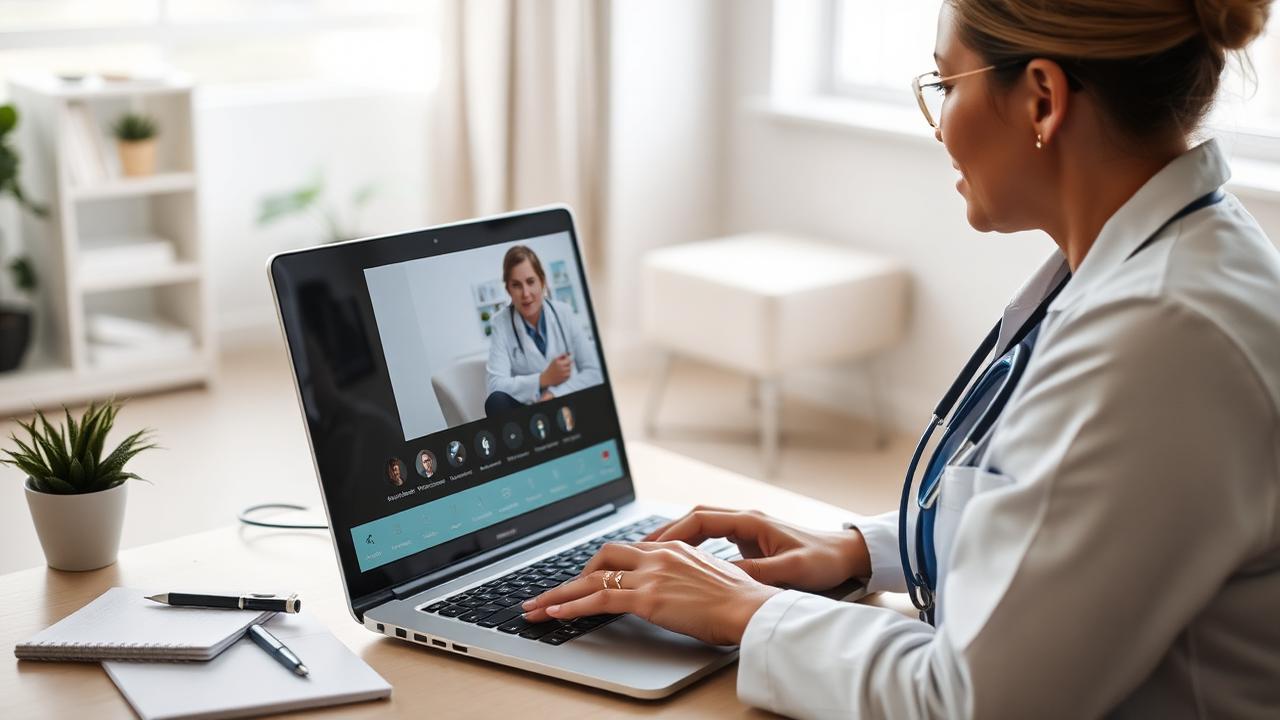
Walking into a nursing interview feels different than any other professional meeting. You aren't just selling your time; you are proving that you can remain calm when a patient's blood pressure drops, that you can navigate complex family dynamics, and that your clinical judgment is sound enough to protect your license and the facility. Whether you are a new graduate or a seasoned veteran looking for remote nursing jobs, the pressure to perform is real.
Most interviewers aren't looking for a scripted, perfect response. They are looking for evidence of critical thinking and cultural fit. They want to know if you are the person who steps up during a difficult shift or the person who retreats to the breakroom. The key to success is moving past generic answers and providing concrete, clinical evidence of your skills.
Preparation is the difference between stumbling over your words and speaking with the confidence of a professional. By focusing on these twelve core questions and using a structured approach to your stories, you can turn a high-pressure interview into a successful career move.
The Clinical STAR Method
Before diving into the questions, you need a framework for your answers. The STAR method is the industry standard, but for nursing, we need to add a clinical lens. Every story you tell should follow this flow:
- Situation: Briefly set the scene (unit type, patient condition, acuity).
- Task: What was the immediate challenge or goal?
- Action: What specific nursing interventions did you perform? (Mention protocols, communication with the MD, or patient education).
- Result: What was the outcome? Did the patient stabilize? Did the family express gratitude? What did you learn?
1. "Tell me about yourself."
This is not an invitation to discuss your hobbies. It is a professional pitch. Keep it to two minutes. Mention your current clinical setting, your years of experience, and one specific area of expertise—such as wound care, telemetry, or patient advocacy. End by stating exactly why you are interested in this specific unit or remote role.
2. "Why do you want to work for this facility?"
Avoid saying "the pay is good" or "it’s a short commute." Instead, mention the facility’s reputation, their Magnet status, or a specific patient population they serve. If you are applying for new grad nursing jobs, talk about their residency program or the mentorship culture you’ve heard about.
3. "Tell me about a time you had a conflict with a coworker."
Interviewers ask this to see if you are a "unit toxicizer." Never badmouth a former colleague. Instead, describe a time you had a professional disagreement—perhaps about a patient’s care plan—and how you resolved it using the chain of command or by having a direct, respectful conversation for the sake of patient safety.
4. "Describe a time you dealt with a difficult patient or family member."
In nursing, "difficult" usually means scared or overwhelmed. Share a story where you used de-escalation techniques. Highlight your empathy and your ability to remain professional while setting boundaries. Show that you can listen without taking their frustration personally.
5. "How do you handle a heavy patient load or a shift where everything goes wrong?"
This is a question about prioritization and delegation. Talk about how you use your brain sheet, how you identify which patient is most unstable, and how you lean on your team. Mention that you aren't afraid to ask for help when patient safety is at risk.
6. "Tell me about a time you made a clinical mistake."
Everyone makes mistakes. The "wrong" answer is saying you’ve never made one. The right answer involves a minor error (like a late med or a charting oversight), how you immediately reported it, what you did to rectify the situation, and what process you changed to ensure it never happened again.
7. "How do you handle a situation where you disagree with a doctor’s order?"
This tests your role as a patient advocate. Explain your process for clarifying orders. You might say, "I noticed a dosage that seemed high for the patient's weight, so I politely reached out to the physician to clarify the intent. We discussed the patient's recent labs, and the order was adjusted."
8. "Where do you see yourself in five years?"
Facilities want to hire nurses who want to grow. You don't have to promise to stay in that exact role forever, but you should mention goals like obtaining a CCRN certification, becoming a preceptor, or moving into a leadership role within the organization.
9. "What are your greatest strengths and weaknesses?"
For strengths, choose something clinical like "rapid assessment skills" or "patient education." For weaknesses, choose something real but fixable. For example, "I used to struggle with delegating tasks because I wanted to ensure everything was perfect, but I’ve learned that trusting my CNAs allows me to focus on higher-level clinical needs."
10. "Describe a time you went above and beyond for a patient."
This is your chance to show your "heart" for nursing. Maybe you stayed late to comfort a terminal patient, or you tracked down a specific resource a patient needed for discharge. Make it concrete and emotional.
11. "How do you stay current with nursing practices?"
Mention your CEUs, professional organizations (like the ANA), or specific journals you read. If you are looking into telehealth nurse jobs, mention your comfort with new technology and remote monitoring platforms.
12. "Why should we hire you over other candidates?"
Summarize your unique value. Combine your clinical skills with your soft skills. "I bring five years of high-acuity experience, a track record of excellent teamwork, and a genuine passion for the oncology population you serve here."
Nursing Salary Expectations
It is important to know the market rate for your role before the interview. Salaries vary significantly based on geography and specialty.
| Nursing Role | Typical Hourly Range | Typical Annual Range |
|---|---|---|
| Registered Nurse (Staff) | $32 - $55 | $66,000 - $115,000 |
| LPN / LVN | $22 - $35 | $45,000 - $72,000 |
| Nurse Practitioner | $55 - $85 | $110,000 - $175,000 |
| Case Manager (Remote) | $35 - $52 | $72,000 - $108,000 |
Note: These figures represent national averages; metropolitan areas like San Francisco or New York City often pay significantly more to account for the cost of living.
Questions to Ask the Interviewer
An interview is a two-way street. Asking smart questions shows you are serious about the role and helps you avoid toxic work environments. Consider asking:
- "What is the typical nurse-to-patient ratio on this unit during day and night shifts?"
- "How does the unit handle scheduling and requests for time off?"
- "What does the orientation process look like for a new hire with my level of experience?"
- "How does the team support each other during a crisis or a high-acuity shift?"
- "What are the most common reasons nurses leave this unit?"
Frequently asked questions
What should I wear to a nursing interview?
Even if you will be wearing scrubs on the job, you should wear business professional attire to the interview. A suit or a conservative blouse and slacks show that you respect the process and the profession.
How should I prepare for a video interview for a remote role?
Treat a video interview exactly like an in-person one. Ensure your background is neutral, your lighting is good, and you have a stable internet connection. Check out our telehealth nurse jobs section for more tips on remote transitions.
Should I bring physical copies of my resume?
Yes, always bring at least three printed copies of your resume on high-quality paper. Even if they have it on their screen, providing a physical copy shows you are prepared and makes it easier for multiple interviewers to follow along.
How do I handle a question I don't know the answer to?
If it's a clinical knowledge question, be honest. Say, "I don't have the exact protocol for that memorized, but here is how I would find the answer—I'd consult the unit policy manual and my charge nurse to ensure patient safety." Integrity is more important than memorization.
How soon should I follow up after the interview?
Send a brief thank-you email to every person who interviewed you within 24 hours. Keep it professional, mention something specific you discussed, and reiterate your interest in the position.
Get Hired Faster with RemoNurse
Preparing for interviews is only half the battle; finding the right roles and getting noticed by hiring managers is the other. RemoNurse helps healthcare professionals skip the tedious parts of the job search.
When you join as a member, we find roles that actually fit your criteria, write and submit your applications, and send a personal endorsement directly to the employer to make sure your resume stays at the top of the pile. Check out our pricing to see how we can help you land your next role without the stress.