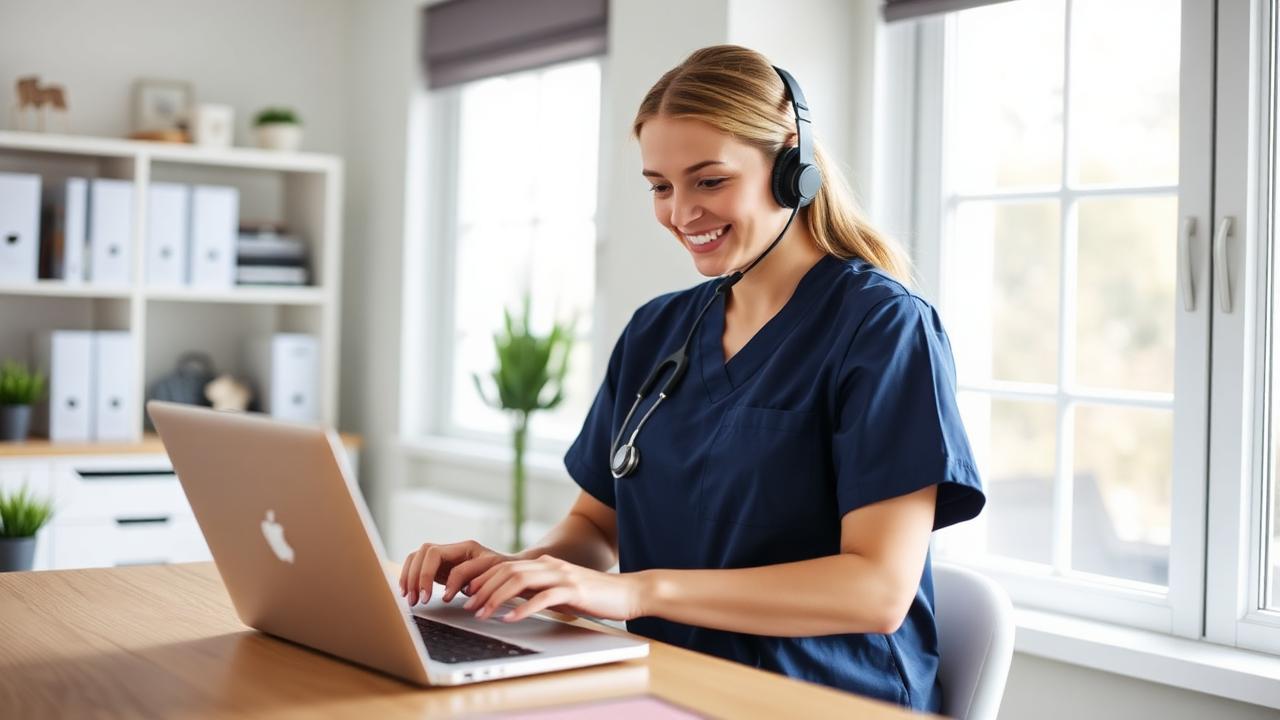
You have spent years on your feet, skipping lunches to finish charting, and feeling the physical toll of 12-hour shifts. By now, the idea of trading the hospital floor for a home office isn't just a dream—it is a necessity for your long-term health and family life.
The landscape for remote nursing has shifted significantly heading into 2026. While the post-pandemic rush has leveled off, the rise of specialized telehealth and data-driven care has created a new, more stable floor for non-bedside roles. You are no longer just looking for 'any' remote job; you are looking for a sustainable career move.
In this guide, we break down which roles are actually hiring right now, what you can expect to earn, and how to position yourself so that recruiters see your bedside experience as a digital asset rather than a liability.
The Reality of Remote Nursing in 2026
The market for remote healthcare has matured. Employers are moving away from generalist roles toward specialized positions that require specific clinical backgrounds. If you are an ICU nurse, you are no longer just applying for general triage; you are looking at remote patient monitoring (RPM) for high-acuity cardiac patients.
We have seen a trend where companies prioritize nurses who can handle complex coordination. The "phone bank" style triage jobs still exist, but they are increasingly being supplemented by multi-modal care platforms that involve video, chat, and asynchronous data review. Working from home still requires high productivity, but the stressors are different—tech glitches and isolation replace physical exhaustion.
Top Remote Nursing Roles and What They Pay
Salaries for remote roles typically mirror the regional averages of the company’s headquarters, though many large insurers now offer "national pay scales" that adjust based on your cost of living.
| Role | Typical Experience Required | 2026 Salary Range (USD) |
|---|---|---|
| Triage Nurse (Telehealth) | 2–5 years acute care | $70,000 – $92,000 |
| Nurse Case Manager | 3+ years clinical | $78,000 – $105,000 |
| Clinical Documentation Specialist | 5+ years (CDI focus) | $85,000 – $115,000 |
| Utilization Review Nurse | 3+ years bedside | $75,000 – $98,000 |
| Nursing Informatics Specialist | Master's or Certification | $95,000 – $140,000 |
| Remote Patient Monitoring (RPM) | 2+ years specialty | $72,000 – $95,000 |
Utilization Review (UR) and Appeals
This remains one of the largest sectors for remote work. Insurance companies and third-party contractors need nurses to review medical records against established criteria (like InterQual or MCG) to determine if a treatment or stay is medically necessary. It is highly structured, metrics-driven, and perfect for nurses who love detail and data. Check out our resources for tips on mastering these guidelines.
Case Management and Transition of Care
Remote case managers act as the bridge between the hospital and the home. You will coordinate with social workers, physical therapists, and family members to ensure a patient has what they need to stay out of the ER. This role requires high emotional intelligence and the ability to navigate complex insurance benefits via phone and video.
Telehealth and Digital Triage
Telehealth has evolved into specialized "virtual clinics." For example, a nurse with a background in oncology might work for a remote startup that exclusively manages chemotherapy side effects.
- Acute Triage: Working for an HMO or large health system, answering calls from patients wondering if they need the ER.
- Specialty Support: Helping patients manage chronic conditions like diabetes or Crohn's through continuous glucose monitor data or symptom-tracking apps.
- After-Hours Primary Care: Providing guidance to parents of pediatric patients in the middle of the night.
These roles often offer the most flexibility, with many companies offering evening, weekend, or "PRN" remote shifts. You can browse current openings for these positions in our jobs section.
The Technical Barrier: What You Need to Know
To land a remote job in 2026, you need more than just a license. Most employers expect you to have a dedicated home office that meets HIPAA standards. This means a door that locks, a high-speed hardwired internet connection (no public Wi-Fi), and often, a dual-monitor setup.
Beyond hardware, you need to be comfortable with technology. You will likely be using 5–10 different software programs simultaneously, from Electronic Health Records (EHR) like Epic or Cerner to communication tools like Slack, Zoom, and proprietary care platforms. If you struggle with computer basics, it is worth taking a short course to sharpen those skills before applying.
The Multi-State License Advantage
One of the biggest hurdles for remote nurses is licensing. If you are in a Nurse Licensure Compact (NLC) state, your job search will be significantly easier. Many remote employers require you to hold an active license in the state where the patient is located.
If you are not in a compact state, or if you are an internationally educated nurse looking to work for a US-based firm, you may need to apply for individual state licenses. This process can be expensive and slow, but it makes you much more marketable. We help nurses navigate these complex requirements every day through our how-it-works page.
Is the Transition Right for You?
Before you quit your bedside job, consider the trade-offs. Remote work is often more sedentary. You will be sitting for 8 to 10 hours a day. Some nurses find the lack of physical interaction with colleagues isolating. Others find the "metrics" culture of remote work—where your every click and call duration is tracked—to be its own kind of stress.
However, for those with long commutes or burnout, the benefits are clear. The savings on gas, professional wardrobes, and childcare, combined with the reduction in physical strain, often outweigh a slight dip in hourly pay compared to high-paying travel nursing contracts.
Frequently asked questions
How do I get a remote nursing job with no experience?
While "remote experience" isn't usually required, "clinical experience" is. Most employers want at least 2–3 years of bedside experience so you have the clinical judgment to make decisions without a doctor standing next to you. Highlight your use of EHRs, patient education, and any time you spent on committees or doing discharge planning in your resume.
Do remote nursing jobs pay less than hospital jobs?
Generally, yes, the base salary might be 5-10% lower than a specialized ICU bedside role in a high-cost area. However, when you factor in the lack of commuting costs and the ability to work for a company in a high-pay state while living in a low-cost area, your net take-home pay often feels higher.
What are the best certifications for remote nursing?
For Case Management, the CCM (Certified Case Manager) is the gold standard. For Utilization Review, look into getting familiar with MCG or InterQual criteria. If you want to move into informatics, a CPHIMS or ANCC Informatics Nursing certification is highly valued and can lead to six-figure roles.
Can I work remotely as an LPN or LVN?
Yes. There is a growing demand for LPNs/LVNs in remote roles, particularly in chronic care management (CCM) and telephonic wellness coaching. While the pay is lower than for RNs (typically $55,000–$70,000), these roles offer the same work-from-home benefits and act as a great stepping stone.
Can I work a remote US nursing job from another country?
It is possible, but complex. You must have a valid US nursing license and, usually, legal authorization to work for a US company. Some international firms hire nurses globally for medical coding or health insurance claims. We specialize in helping internationally educated workers find these paths on our for-professionals page.
What to do next
If you are ready to stop the endless scrolling through generic job boards, let us help you. The RemoNurse team understands the specific nuances of telehealth and remote care. We don't just show you listings; we vet the recruiters and help you position your clinical skills for a digital environment.
Visit our pricing page to see how our "Apply for Me" service can take the weight off your shoulders, or browse our current work-abroad opportunities if you are looking to take your skills across borders. Your next career chapter starts with a single click.