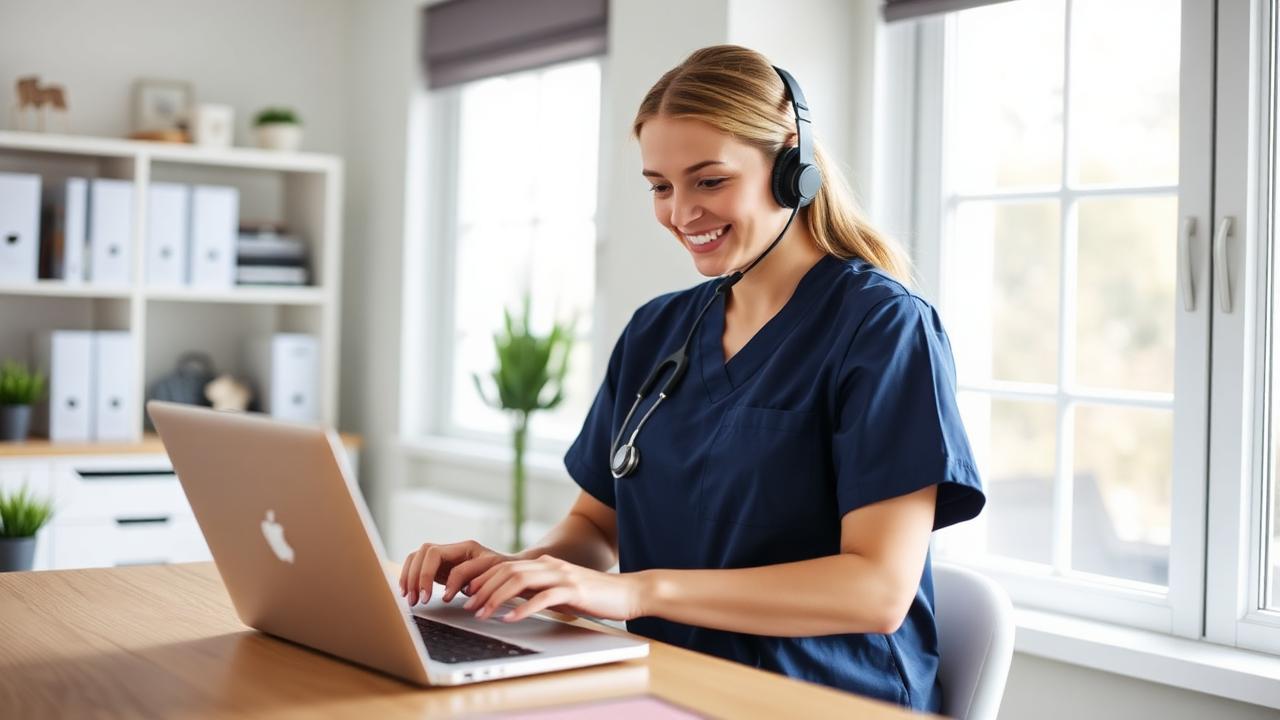
If you have spent any time scrolling through job boards lately, you have likely seen an explosion of work-from-home opportunities for nurses. The appeal is obvious: no commute, a break from the physical toll of the bedside, and a better balance for your personal life. But alongside legitimate growth in telehealth nurse jobs, there has been a sharp increase in sophisticated scams targeting healthcare professionals.
It is disheartening to think that after years of high-stress clinical work, your desire for a remote role could be exploited. Many nurses report receiving unsolicited texts or seeing LinkedIn posts for high-paying roles that seem just a little too easy to get. The reality is that remote nursing is a legitimate and growing field, but the barrier to entry is often higher than these scams suggest.
This guide breaks down the specific patterns used by fraudsters to target nurses, the actual job titles that exist in the real market, and a step-by-step verification process to ensure your next career move is a safe one.
Which Remote Nursing Roles Are Actually Real?
Before looking at the scams, it is helpful to know what the legitimate landscape looks like. Real remote nursing roles almost always fall into specific categories. These roles require a valid license, often require several years of clinical experience, and usually involve a multi-stage interview process.
Common legitimate remote roles include:
- Utilization Review (UR): Working for insurance companies to determine if a requested medical service is necessary and covered by the patient's plan.
- Telephone Triage: Answering calls from patients to assess symptoms and direct them to the appropriate level of care.
- Case Management: Coordinating care for patients with chronic conditions or complex needs, often focusing on post-discharge follow-up.
- Clinical Research Coordinators: Managing data and patient compliance for clinical trials, which can sometimes be done remotely.
- Health Coach or Patient Navigator: Helping patients manage lifestyle changes or navigate a specific healthcare system.
The Seven Red Flags of a Remote Nursing Scam
Scammers use the same psychological triggers that legitimate employers use—urgency, professional language, and the promise of a better life. However, they almost always stumble on these seven specific patterns.
1. The Interview Happens Only via Text or Messaging Apps
A legitimate healthcare organization will not hire a Registered Nurse or LPN without at least one video call or phone interview. If a "recruiter" insists on conducting the entire interview through Telegram, Signal, or WhatsApp, it is a scam. Real companies need to verify your communication skills and professional demeanor.
2. You Receive an "Instant Offer"
In the real world of remote nursing jobs, the competition is fierce. It takes time for HR departments to review credentials, verify licenses, and conduct background checks. If you receive an offer within hours of submitting a resume—especially without a live conversation—the job does not exist.
3. The Pay is Outlandishly High for the Role
We all want to be paid what we are worth, but scammers use inflated salaries to lure you in. For example, if a data entry or "health administrative" role is offering $65 per hour, while the national average is closer to $25, you should be suspicious. Refer to the table below for realistic ranges.
4. You Are Asked to Buy Your Own Equipment
This is the most common scam. The "employer" tells you that they will send you a check to purchase a laptop, printer, and specialized software. They ask you to deposit the check and then send the "leftover" money back to them or to a specific vendor. The check eventually bounces, leaving you liable for the full amount to your bank.
5. They Use Generic or "Look-Alike" Email Domains
Scammers often impersonate large insurance companies or hospital systems. A real recruiter from UnitedHealth Group will have an email ending in @uhg.com. A scammer might use @uhg-careers-desk.com or @gmail.com. Always look at the suffix of the sender’s email address.
6. Requests for Sensitive Info Before an Offer
While legitimate employers need your Social Security number for a background check, they rarely ask for it during the initial screening. Never provide your SSN, banking details, or a copy of your driver's license until you have verified the company and signed a formal, verifiable offer letter.
7. Vague Job Descriptions
Legitimate nursing roles are specific. They will mention required certifications (like CCM for case managers), state licensure requirements (or Compact status), and specific EMR experience. If the job description is filled with fluff about "being a team player" and "working from home" without mentioning clinical duties, proceed with caution.
Comparing Real Salaries vs. Scam Promises
It helps to have a baseline of what the market actually pays for remote work. The following figures represent typical annual salary ranges for legitimate US-based remote nursing positions.
| Role Type | Typical Salary Range (Annual) | Common Requirements |
|---|---|---|
| Telehealth Triage RN | $65,000 – $85,000 | 3+ years ER/ICU experience |
| Utilization Review Nurse | $75,000 – $95,000 | 2+ years acute care experience |
| Remote Case Manager | $70,000 – $90,000 | CCM certification preferred |
| Chronic Care Manager | $60,000 – $80,000 | LPN or RN license |
| Clinical Research | $80,000 – $110,000 | Specialized research experience |
The Verification Checklist: How to Protect Yourself
If you find a role that looks promising but you aren't 100% sure, run through this checklist before replying to the recruiter.
- Check the Company Website: Go directly to the company’s official "Careers" page. If the job isn't listed there, it’s likely a scam.
- Verify the Recruiter on LinkedIn: Look up the person contacting you. Do they have a professional profile? Are they connected to other people at the company? If their profile was created two weeks ago and has three connections, block them.
- Search the Phone Number: Scammers often use VOIP numbers. A quick Google search of the number might reveal reports of fraud from other job seekers.
- Ask for a Video Interview: A legitimate recruiter will have no problem hopping on a Zoom or Teams call. If they make excuses about "technical difficulties" or "company policy," walk away.
- Look for the "NPI" or "License" Request: Real clinical roles will ask for your NURSYS verification or license number early in the process to ensure you are eligible to work in specific states.
What to Do If You've Been Scammed
If you realized too late that a job wasn't legit, don't be embarrassed—these scams are designed to be convincing. Take these steps immediately:
- Contact Your Bank: If you deposited a check or shared banking info, call your bank's fraud department right away.
- Freeze Your Credit: If you shared your Social Security number, contact the three major credit bureaus (Equifax, Experian, and TransUnion) to place a freeze on your credit.
- Report to the FTC: File a report at ReportFraud.ftc.gov. This helps the government track and shut down these operations.
- Change Passwords: If you clicked on any links or provided login info, change your passwords for your email and financial accounts.
Frequently Asked Questions
Can new grads get remote nursing jobs?
While not impossible, it is much harder for new graduates to find legitimate remote work. Most new grad nursing jobs are bedside-based because remote roles require the independent clinical judgment that usually only comes with 1–2 years of hands-on experience.
Do remote nurses need multiple state licenses?
Yes, if the role involves patient care or triage, you generally must be licensed in the state where the patient is located. Many remote employers prefer nurses with a Compact (eNLC) license, but they will often pay for you to obtain additional individual state licenses if needed.
Is it normal to pay for my own background check?
No. Legitimate employers cover the cost of background checks and drug screenings. If a "company" asks you to pay a fee to a specific website for a background report, it is almost certainly a scam designed to steal your credit card information.
Why are there so many scams in nursing specifically?
Nurses are targeted because they are known to be hardworking, have verified credentials, and are currently experiencing high rates of burnout, making the lure of a work-from-home job particularly effective.
Finding Real Roles Without the Risk
Navigating the world of remote healthcare is exhausting enough without having to dodge fraudsters at every turn. Many nurses find that the most reliable way to secure a position is to look through curated platforms that vet employers beforehand. If you are also interested in flexible local work, you might explore PRN nursing jobs or private duty nursing jobs to bridge the gap while searching for the perfect remote fit.
At RemoNurse, we take the guesswork and the danger out of the job hunt. Our team finds real, verified nursing roles that match your experience and goals. We don't just show you the listings; we write your applications, submit them on your behalf, and send a personal endorsement to the employer to make sure your resume actually gets seen.
Stop wasting hours filtering through scams and let us handle the heavy lifting. Learn more about how we help nurses transition to better roles at our pricing page.